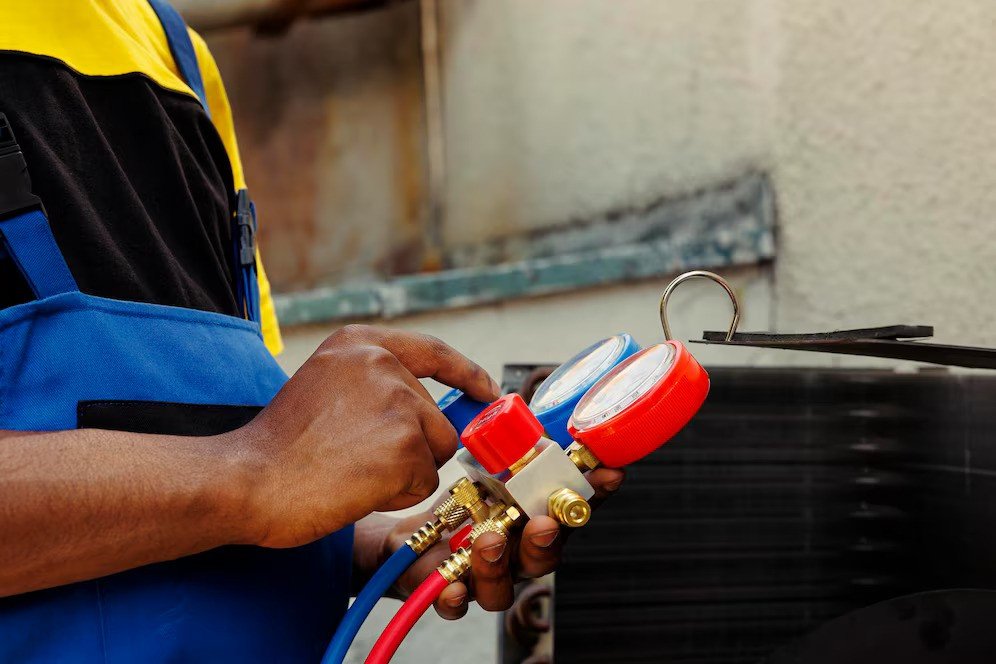
A/C Repair
Rapid troubleshooting for emergency cooling breakdowns.
Proactive multi-point maintenance engineered to optimize cooling performance, lower power bills, prevent emergency breakdowns, and extend equipment life.
Operating an air conditioning system without regular maintenance is like driving an automobile 50,000 miles without an oil change. Dirt and bio-growth inevitably collect across indoor evaporator fins and outdoor condenser coils, insulating heat transfer surfaces and forcing the compressor to work up to 40% harder.
At A1 A/C Service, our preventative maintenance protocol goes far beyond simply swapping an air filter. We perform a thorough multi-point chemical wash and electrical inspection that restores factory thermodynamic efficiency, clears condensate drainage lines, and identifies worn components before they trigger a complete cooling failure on a triple-digit afternoon.
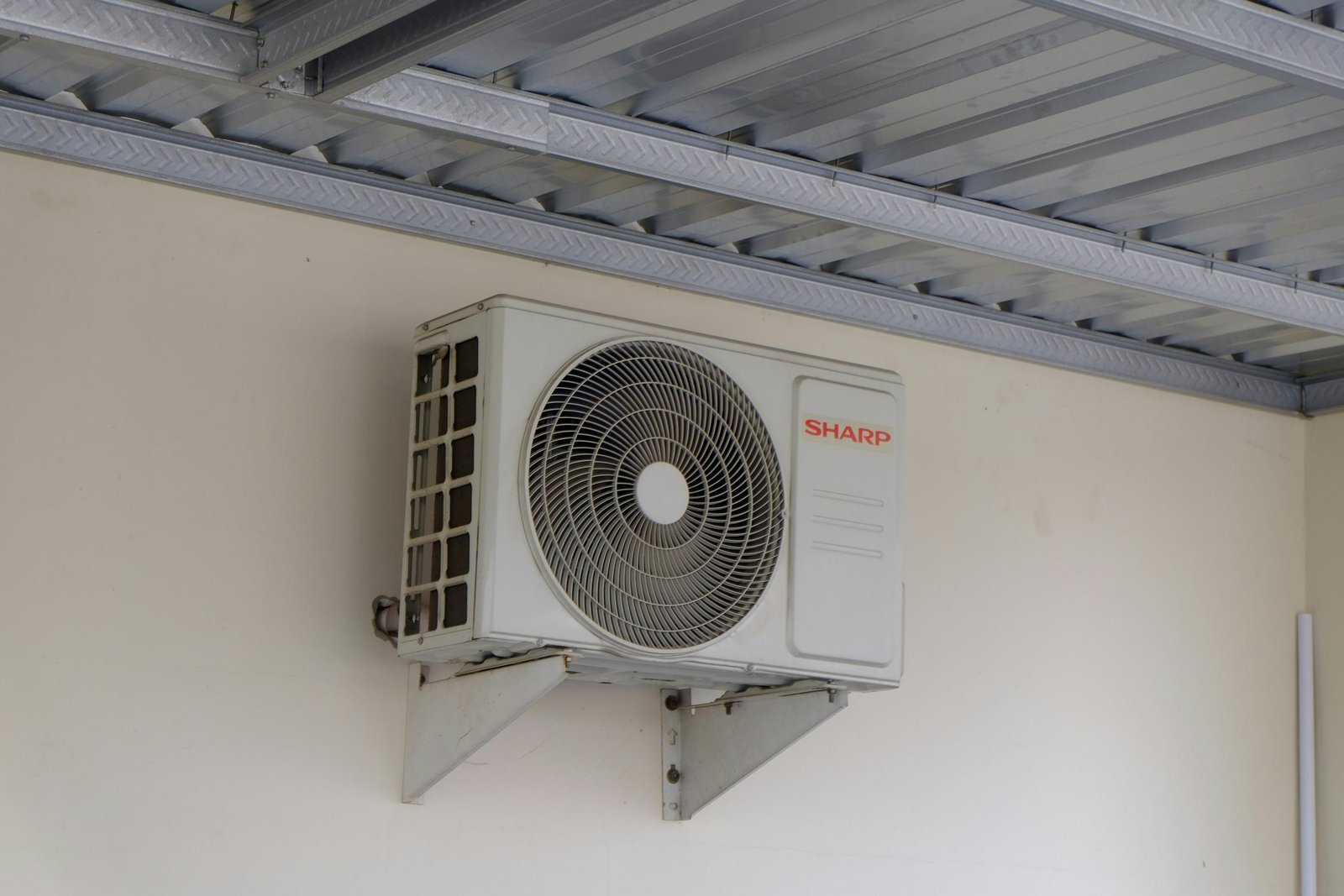
Over 85% of sudden air conditioning breakdowns can be traced directly to lack of basic seasonal maintenance.
Algae and sediment clog the drain line, overflowing water into ceilings and flooring. We flush and tablet-treat all lines.
Summer heat strains run capacitors. We measure capacitance microfarads to catch weak capacitors before they stall the compressor.
Caked dirt on outdoor coils prevents heat rejection, raising head pressures and drawing dangerously high amperage.
Operating slightly low on refrigerant forces long cycle runs and degrades oil return, leading to sudden mechanical seizure.
Regular maintenance adds 3 to 5+ years of dependable operating life to standard central cooling equipment.
Clean coils and optimized airflow drop power draw by up to 15%, paying for the tune-up in electrical savings.
Major HVAC manufacturers require documented annual maintenance records to honor replacement parts warranties.
Inspect contactors for pitting, test capacitors against microfarad tolerances, and tighten loose wiring lugs.
Clean outdoor condenser coils to remove dirt, pollen, and debris, restoring heat rejection capability.
Clear condensate drain lines, clean drain pans, and test emergency float switches to prevent water damage.
Connect digital gauges to verify operating pressures, subcooling, and superheat against factory benchmarks.
Measure supply/return temperature differential and inspect blower wheel cleanliness for balanced circulation.
Early spring is ideal, before hot summer weather places continuous load on the system. This allows technicians to catch worn capacitors or refrigerant leaks early.
Yes. When coils are caked with grime or airflow is impeded, the compressor draws higher amperage and cycles much longer to satisfy the thermostat, wasting substantial kilowatt-hours.
Rapid troubleshooting for emergency cooling breakdowns.
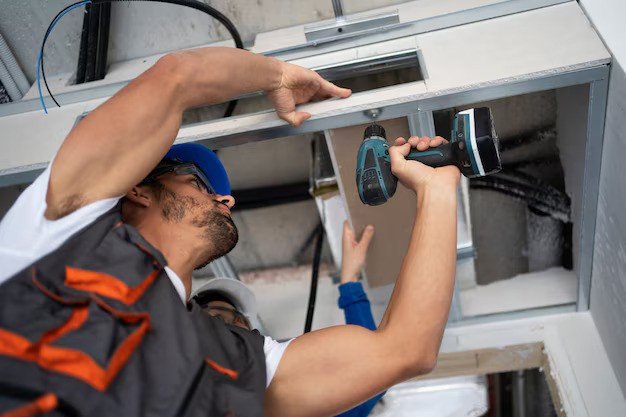
Keep your ductwork free of mold, dust mites, and bacteria.